
ulagai.com

Author name: techdrawlead@gmail.com

Shopify website development from store setup to sales growth for ecommerce businesses
Shopify

Shopify Website Development: Setup to Sales Growth

Shopify Website Development: From Store Setup to Sales Growth Introduction Building an online store is no longer just about adding products and accepting payments. Modern customers expect fast loading pages, smooth shopping experiences, mobile-friendly designs, secure checkout processes, and personalized recommendations. Businesses that fail to provide these experiences often lose potential customers to competitors. Shopify Website Development helps businesses create professional ecommerce stores designed for growth. From choosing the right theme and setting up products to optimizing conversions and improving SEO, a well-built Shopify store can become a powerful sales channel. At Ulagai, we help businesses build scalable ecommerce solutions with Shopify development, ecommerce website development, SEO optimization, AI-powered Shopify solutions, and automation strategies. This guide explains how Shopify website development helps businesses move from store setup to sustainable sales growth. What Is Shopify Website Development? Shopify Website Development is the process of creating, customizing, and optimizing an online store using the Shopify ecommerce platform. It involves more than basic store creation. A professional Shopify website development process includes: A complete Shopify store development process includes: Shopify store setup Theme selection and customization User-friendly UI/UX design Product page optimization Payment gateway integration Third-party app integration SEO optimization Speed improvements Conversion rate optimization Analytics setup A properly developed Shopify store helps businesses showcase products effectively, improve customer experience, and increase online sales. Why Is Shopify Website Development Important for Businesses? Creates a Professional Online Presence A well-designed Shopify ecommerce website builds trust among customers. A professional layout, clear navigation, high-quality product pages, and simple checkout process encourage visitors to complete purchases. Customers are more likely to buy from stores that look reliable and provide a smooth browsing experience. Improves Customer Experience Customer expectations are constantly increasing. Slow websites, confusing navigation, and complicated checkout processes can reduce conversions. Shopify website development focuses on: Mobile-friendly designs Faster loading speed Easy product discovery Simple checkout experience Personalized shopping journeys A better customer experience improves engagement and customer retention. Supports SEO and Online Visibility A Shopify store should not only look attractive but also be easy for search engines to understand. Shopify SEO optimization includes: SEO-friendly URLs Optimized product descriptions Meta titles and descriptions Image optimization Structured data implementation Technical SEO improvements These practices help ecommerce brands improve their search visibility and attract organic traffic. Helps Increase Sales and Revenue A conversion-focused Shopify website is designed around customer behavior. Features like: Product recommendations Customer reviews Wishlist options Personalized offers Abandoned cart recovery These features can help businesses increase conversions and improve sales performance. Key Benefits of Shopify Website Development Scalable Ecommerce Solutions Shopify allows businesses to start small and expand as they grow. Whether you manage a few products or thousands of products, Shopify can support different business requirements. Easy Store Management Shopify provides a simple dashboard where businesses can manage: Products Orders Customers Inventory Sales reports This makes Shopify store management easier for business owners. Secure Payment Solutions A professional Shopify store supports secure payment gateway setup, helping customers complete transactions safely. Better Marketing Integration Shopify integrates with marketing platforms such as: Google Ads Meta Ads Email marketing tools Analytics platforms These integrations help businesses create effective ecommerce marketing campaigns. Automation Opportunities Shopify integrates with marketing platforms such as: Google Ads Meta Ads Email marketing tools Analytics platforms These integrations help businesses create effective ecommerce marketing campaigns. Important Features of a High-Converting Shopify Store Custom Shopify Theme Design A unique Shopify theme helps businesses create a brand-focused shopping experience. Custom theme development improves: Website appearance User experience Brand consistency Conversion opportunities Optimized Product Pages Product pages play a major role in ecommerce success. A strong product page includes: Clear product images Detailed descriptions Customer reviews Benefits-focused content Pricing information Strong call-to-action buttons Mobile-Friendly Experience Most online shoppers browse through mobile devices. A mobile-friendly Shopify website ensures customers can easily search, compare, and purchase products Shopify App Integration Shopify app integration helps businesses add advanced features such as: Customer support tools Marketing automation Inventory management Loyalty programs Analytics systems Shopify Website Development Process Step 1: Understand Business Goals The first step is understanding: Target customers Products and services Sales goals Brand requirements Customer journey This helps create a Shopify store strategy aligned with business objectives. Step 2: Shopify Store Setup The setup process includes: Shopify account configuration Store settings Product categories Payment setup Shipping configuration Tax settings A proper setup creates a strong foundation for ecommerce growth. Step 3: Design and Development The design phase focuses on creating a visually appealing and user-friendly store. This includes: Shopify UI design Theme customization Navigation structure Homepage development Product page layouts Step 4: Add Ecommerce Features Businesses can integrate: Payment gateways Customer reviews Marketing tools CRM systems Analytics platforms These features improve store functionality. Step 5: Testing and Optimization Before launch, the website should be tested for: Speed performance Mobile responsiveness Checkout functionality User experience SEO settings Continuous Shopify website optimization improves long-term performance. Best Practices for Shopify Store Growth Focus on User Experience A successful ecommerce website should make shopping simple. Best practices include: Clear navigation Fast loading pages Simple checkout Helpful product information Invest in Shopify SEO SEO helps customers discover your products through search engines. Important areas include: Keyword optimization Technical SEO Content marketing Product page optimization Use Analytics for Decisions Tools like Google Analytics help businesses understand: Customer behavior Traffic sources Conversion rates Popular products Data-driven decisions improve ecommerce performance. Improve Customer Retention Growing sales is not only about acquiring new customers. Retaining existing customers is equally important. Strategies include: Loyalty programs Email campaigns Personalized offers Better customer support Common Shopify Development Mistakes to Avoid Choosing a Basic Theme Without Customization Many businesses use default designs without improving user experience. Custom Shopify development helps create a store that matches brand goals. Ignoring Website Speed Slow websites increase customer drop-offs. Shopify speed optimization should be part of every ecommerce development strategy. Poor Product Content Weak product descriptions and low-quality images reduce customer confidence Not Optimizing for Mobile Users A desktop-focused website can lose a

seo-friendly-shopify-development
Shopify

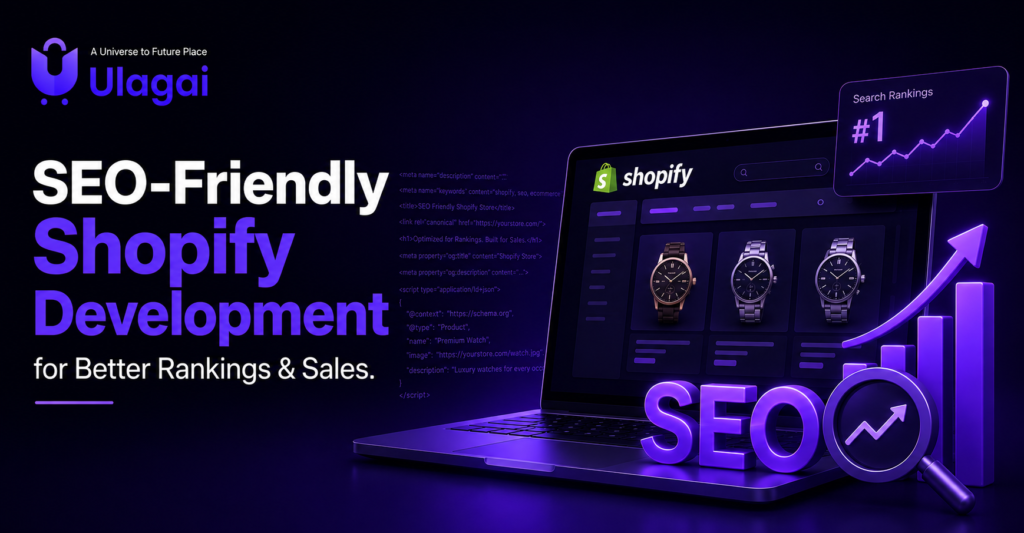
SEO-Friendly Shopify Development for Better Rankings & Sales

SEO-Friendly Shopify Development for Better Rankings & Sales Introduction Launching a Shopify store is easier than ever, but getting customers to find and purchase from your store requires more than just adding products online. Many businesses invest in attractive designs but ignore the technical foundation needed for search visibility. SEO-Friendly Shopify Development ensures that your ecommerce website is built with search engines and customers in mind from the beginning. A well-optimized Shopify store improves website performance, product discoverability, user experience, and conversion opportunities. At Ulagai, we help businesses build future-ready ecommerce solutions with Shopify development, SEO services, AI-powered optimization, and performance-focused strategies. In this article, we will explore why SEO-friendly development is essential for Shopify stores and how it helps businesses grow online. What Is SEO-Friendly Shopify Development? SEO-Friendly Shopify Development means creating a Shopify website that follows search engine optimization best practices during the design and development process. Instead of adding SEO after building the store, SEO-friendly development integrates optimization into the website structure from the start. It focuses on important areas such as: Search engine-friendly website architecture Optimized product and collection pages Fast loading performance Mobile-friendly design Clean URLs Proper metadata implementation Schema markup integration Image optimization Better crawlability and indexability A Shopify store developed with SEO in mind gives search engines a clear understanding of your products and helps customers discover your brand through organic search. Why Is SEO-Friendly Shopify Development Important? 1. Improves Shopify Search Rankings Search engines analyze hundreds of factors before ranking ecommerce websites. Website structure, page speed, content quality, and technical performance all influence visibility. An SEO-friendly Shopify website helps search engines easily crawl and understand: Product information Category pages Brand content Customer-focused keywords Website relationships When your store follows Shopify technical SEO best practices, it creates a stronger foundation for improving Google rankings. 2. Increases Organic Traffic Paid advertising can generate quick visitors, but organic traffic provides long-term growth opportunities. A search-optimized Shopify store can attract customers who are already searching for your products. For example: A customer searching for “premium handmade leather bags online” is more likely to purchase when they find a properly optimized product page. SEO-friendly ecommerce development helps businesses capture these high-intent searches. 3. Creates Better Customer Experience SEO and user experience are closely connected. Google considers website experience factors such as: Page loading speed Mobile usability Navigation structure Content quality Website accessibility A well-developed Shopify store helps customers find products faster and complete purchases easily. Better user experience can lead to: Lower bounce rates More product views Higher conversions Increased customer trust Key Benefits of SEO-Friendly Shopify Development Better Product Visibility Optimized product pages help search engines understand product details, categories, and customer search intent. Important elements include: SEO-friendly product titles Keyword-focused descriptions Optimized images Customer-friendly content Structured data Improved Website Performance Website speed directly affects customer experience and search performance. SEO-focused Shopify development includes: Image compression Clean coding practices Optimized themes Reduced unnecessary scripts Mobile performance improvements A faster website keeps visitors engaged and improves conversion opportunities. Stronger Technical SEO Foundation Technical SEO ensures that search engines can properly crawl and index your Shopify store. Important technical elements include: Proper URL structure XML sitemap optimization Robots.txt configuration Canonical tags Schema markup Internal linking structure Important Features of an SEO-Optimized Shopify Store 1. SEO-Friendly Website Structure A clear website structure helps both customers and search engines navigate your store. Example: Homepage → Product Categories → Collections → Product Pages This structure improves crawlability and helps users discover products easily. 2. Optimized Product Pages Product pages are the most important pages for ecommerce businesses. A well-optimized product page should include: Keyword-rich product titles Detailed descriptions Product benefits High-quality images Customer reviews FAQ sections Proper schema markup 3. Mobile Optimization Most online shoppers browse and purchase using mobile devices. A mobile-optimized Shopify store should provide: Responsive design Fast mobile loading Easy navigation Simple checkout experience Mobile optimization is essential for both SEO performance and customer satisfaction. 4. Shopify Schema Markup Schema markup helps search engines understand website information. For ecommerce websites, schema can highlight: Product prices Reviews Availability Ratings Brand information This improves search appearance and helps websites become more visible in search results. Step-by-Step Process for Building an SEO-Friendly Shopify Store Step 1: Keyword Research and Planning Identify what customers are searching for before designing the website. Research should include: Product-related keywords Category keywords Buyer intent keywords Competitor analysis Step 2: Create SEO-Friendly Website Architecture Plan: Navigation structure Collection pages Product categories Internal links A strong structure improves both SEO and user experience. Step 3: Develop a Performance-Focused Shopify Website During development, focus on: Lightweight themes Fast loading pages Optimized images Clean code Mobile responsiveness Step 4: Optimize On-Page SEO Elements Implement: Meta titles Meta descriptions Heading structure Image alt text Product descriptions SEO-friendly URLs Step 5: Monitor and Improve Performance Use tools like: Google Search Console Google Analytics Shopify Analytics Regular monitoring helps identify SEO opportunities and technical issues. Common Shopify SEO Mistakes to Avoid Ignoring Website Speed Slow websites reduce customer engagement and affect search performance. Solution: Optimize images, apps, and website code. Using Duplicate Product Content Many ecommerce stores copy manufacturer descriptions. Solution: Create unique product descriptions that explain benefits and customer value Poor URL Structure Complicated URLs make websites harder to understand. Solution: Use simple and descriptive URLs. Example: Better: yourstore.com/products/wireless-headphones Avoid: yourstore.com/product?id=4589 Installing Too Many Apps Too many Shopify apps can slow down website performance. Solution: Use only necessary tools and review website performance regularly. Real-World Example A fashion ecommerce brand may have hundreds of products but still struggle to generate organic traffic. By implementing SEO-friendly Shopify development, the business can improve: Product page optimization Collection page rankings Website speed Mobile shopping experience Search visibility Similarly, industries like healthcare, retail, manufacturing, education, and professional services can benefit from a well-structured ecommerce platform. Expert Tips for Shopify SEO Success Follow these best practices for long-term Shopify SEO success: Build SEO into your Shopify website from the beginning Focus on customer search intent instead

AI chatbots for Shopify that convert website visitors into buyers faster
Shopify

AI Chatbots for Shopify: Convert Visitors into Buyers Faster

AI Chatbots for Shopify: Convert Visitors into Buyers Faster Introduction Running a successful Shopify store is not only about having great products. Today’s customers expect instant answers, personalized recommendations, and smooth shopping experiences before they make a purchase decision. If visitors cannot quickly find product details, shipping information, or support, they may leave the store without buying. AI Chatbots for Shopify help businesses solve this challenge by providing automated customer conversations, product recommendations, and real-time assistance. These intelligent tools work like virtual sales assistants that guide visitors, answer questions, and help increase conversions. At Ulagai, we help businesses build advanced ecommerce solutions with Shopify development, AI-powered automation, SEO services, and conversion-focused strategies. AI chatbots are becoming an important part of creating smarter and more customer-friendly Shopify stores. This article explains how Shopify AI chatbots work, their benefits, important features, implementation steps, and how they help ecommerce businesses grow. What Are AI Chatbots for Shopify? AI Chatbots for Shopify are intelligent chatbot solutions integrated with Shopify websites to automate customer communication. They use artificial intelligence to understand customer questions and provide relevant answers instantly. Traditional customer support requires manual responses from a team member. However, an AI chatbot can handle multiple conversations at the same time and assist customers throughout their buying journey. A Shopify AI chatbot can help customers with: Product searches Product recommendations Order tracking Shipping information Payment questions Return policies Customer support queries For ecommerce brands, an AI chatbot works as a 24/7 digital assistant that improves customer engagement and sales opportunities. Why Are AI Chatbots Important for Shopify Stores? Improves Customer Experience Customers want quick solutions when shopping online. Waiting hours for support responses can create frustration and reduce the chances of purchase. AI chatbots provide instant answers and create a smoother shopping experience. Visitors can get assistance immediately without waiting for a support agent. Increase Shopify Sales Conversion Many customers leave ecommerce websites because they cannot find the right product or information. AI chatbots guide visitors by recommending suitable products and answering buying questions. This helps businesses convert more visitors into customers. Provide 24/7 Customer Support Online stores receive visitors at different times of the day. A chatbot ensures customers receive support even outside business hours. 24/7 ecommerce customer support improves trust and customer satisfaction. Reduce Cart Abandonment Cart abandonment is a major challenge for ecommerce businesses. Customers may leave during checkout due to confusion about payment, delivery, or product details. AI chatbots can support customers during checkout and encourage them to complete their purchases Key Benefits of AI Chatbots for Shopify 1. Personalized Shopping Experience AI chatbots can analyze customer interactions and suggest products based on customer interests. For example, a customer searching for skincare products can receive recommendations based on their requirements, budget, and preferences. Personalized experiences improve customer engagement and increase purchase possibilities. 2. AI-Powered Product Recommendations An AI shopping assistant can suggest relevant products automatically. Instead of customers browsing hundreds of products, the chatbot helps them discover suitable options faster. This improves: Product discovery Customer satisfaction Average order value Sales opportunities 3. Automated Customer Support Many ecommerce questions are repetitive. AI chatbot automation can handle common queries such as: Where is my order? What are the delivery charges? Do you offer returns? Is this product available? This reduces workload for customer support teams. 4. Better Lead Generation Not every visitor purchases immediately. AI chatbots can collect customer information and help businesses generate leads. They can capture: Email addresses Contact details Product interests Customer requirements Businesses can use this information for future marketing campaigns. 5. Improved Customer Retention AI-powered conversations help customers feel supported throughout their shopping journey. Better customer experience leads to stronger relationships and repeat purchases. Important Features of a Shopify AI Chatbot A successful Shopify chatbot integration should include these features: Product Search Assistance The chatbot should help customers find products based on their needs. Example: Customer: “Show me wireless headphones under ₹3000.” The chatbot can recommend suitable products instantly Order Tracking Customers should easily check their order status without contacting support Smart Recommendations AI-driven product suggestions help customers discover additional products Multiple Language Support Businesses serving different regions can provide support in multiple languages. Human Support Integration For complex issues, the chatbot should allow customers to connect with a human support team. Analytics and Insights Businesses can analyze chatbot conversations to understand: Customer behaviour Popular products Common questions Buying patterns How to Add an AI Chatbot to a Shopify Store Step 1: Identify Business Requirements Before implementing a chatbot, understand your goals. Ask: What customer problems need automation? What questions do visitors ask frequently? How can customer experience improve? Step 2: Select the Right AI Solution Choose a chatbot solution based on: Store size Product range Customer support needs Integration requirements Step 3: Shopify Chatbot Integration Connect the chatbot with your Shopify store, including: Product catalogue Customer data Order management Marketing tools Step 4: Create Smart Workflows Develop chatbot conversations for: Product recommendations Customer support Lead generation Checkout assistance Step 5: Monitor and Optimize Regularly review chatbot performance and improve responses based on customer feedback Best Practices for AI Chatbots in Shopify Focus on Helping Customers A chatbot should provide useful solutions instead of only promoting products. Keep Conversations Simple Customers prefer clear and easy conversations. Avoid complicated responses. Maintain Accurate Information Always update product details, pricing, and policies. Combine AI With Human Support AI automation works best when combined with human assistance for complex situations Optimize Mobile Experience Most online shoppers use smartphones. Ensure chatbot interactions work smoothly on mobile devices. Common Mistakes to Avoid Poor Chatbot Training A chatbot without proper information may provide incorrect answers.Solution: Regularly update chatbot knowledge with accurate business information. Too Much Automation Customers may feel frustrated if they cannot reach a human when needed.Solution: Provide an option for human support. Ignoring Customer Data Without analysing conversations, businesses miss improvement opportunities.Solution: Use chatbot insights to improve customer experience. Real-World Business Examples Ecommerce Stores Fashion, electronics, and beauty brands use AI chatbots to

Sales-focused Shopify store designed to increase conversions and online sales
Shopify

How to Build a Sales-Focused Shopify Store That Converts

How to Build a Sales-Focused Shopify Store for Your Brand Introduction Launching a Shopify store is simple, but building a store that consistently generates sales requires the right strategy. Many businesses create online stores with attractive designs but struggle to convert visitors because they overlook important factors like user experience, product presentation, website speed, and checkout optimization. A sales-focused Shopify store is built with one clear goal: helping customers discover products easily and complete purchases confidently. Every element, from homepage design to payment options, should support the customer journey. At Ulagai, we help businesses create powerful Shopify ecommerce solutions that combine modern design, SEO, performance optimization, and automation. A well-planned Shopify store can help brands increase online visibility, improve customer engagement, and build long-term ecommerce growth. What Is a Sales-Focused Shopify Store? A sales-focused Shopify store is an ecommerce website designed to maximize conversions by creating a smooth shopping experience. Unlike a basic online store that only displays products, a sales-focused Shopify website focuses on: Understanding customer needs Creating a simple buying journey Building brand trust Improving product discovery Reducing purchase barriers Every section of the store should guide customers toward taking action, whether it is exploring products, adding items to carts, or completing purchases. Why Is a Sales-Focused Shopify Store Important? Improves Customer Experience Customers expect online stores to be fast, simple, and easy to use. A well-designed Shopify store helps visitors quickly find products, compare options, and make purchasing decisions. A better user experience improves customer satisfaction and encourages repeat purchases. Increases Conversion Opportunities A conversion-focused Shopify store uses strategic elements such as: Clear product descriptions Attractive product images Customer reviews Trust badges Simple checkout process Strong calls-to-action These features help transform website visitors into customers. Supports SEO Growth A Shopify ecommerce website should not only look good but also perform well in search engines. Shopify SEO optimization includes: Keyword-focused product pages Optimized website structure Mobile-friendly design Fast loading speed Technical SEO improvements Better SEO helps businesses attract customers who are actively searching for products. Key Features of a High-Converting Shopify Store Professional Shopify Store Design Your website design creates the first impression of your brand. A professional Shopify store design should include: Clean layout Easy navigation Brand-focused visuals Mobile responsiveness Clear product categories A simple and attractive design helps customers stay longer and explore more products. Optimized Product Pages Product pages are one of the most important areas of an ecommerce website. A strong product page should include: High-quality images Detailed product information Benefits and features Customer reviews Frequently asked questions Clear purchase buttons Optimized product pages help customers understand the value of your products and make confident decisions. Fast Website Performance Website speed plays a major role in ecommerce success. Slow websites can frustrate users and increase cart abandonment. Shopify speed optimization includes: Image compression Optimized themes Removing unnecessary apps Improving technical performance A faster Shopify store provides a better shopping experience. Smooth Checkout Process A complicated checkout process can cause customers to leave without purchasing. An optimized Shopify checkout experience should include: Secure payment gateway integration Multiple payment options Simple checkout steps Transparent pricing Mobile-friendly checkout A smooth checkout process improves customer confidence. How to Build a Sales-Focused Shopify Store Step-by-Step 1. Understand Your Target Audience Before starting Shopify development, identify: Your ideal customers Their buying behaviour Their problems and expectations Their preferred shopping methods Customer research helps create a store that connects with users. 2. Plan Your Shopify Store Structure A well-organized store improves user experience. Plan: Product categories Navigation menus Collection pages Search functionality Customer account options A clear structure also supports Shopify SEO optimization. 3. Create a Conversion-Focused Design Your Shopify UI design should guide users naturally. Important elements include: Clear homepage messaging Attractive product sections Customer testimonials Trust signals Easy navigation The design should focus on helping customers find and purchase products quickly. 4. Optimize for Mobile Users Most customers browse ecommerce websites using smartphones. A mobile-friendly Shopify store should have: Responsive design Fast loading pages Easy product browsing Simple checkout experience Mobile optimization is essential for ecommerce growth. 5. Add Useful Shopify Integrations Shopify app integration helps improve store functionality. Businesses can integrate: CRM systems Email marketing tools Analytics platforms Inventory management systems Customer support solutions These integrations help automate operations and improve customer relationships. 6. Use Analytics and Continuous Optimization Building a Shopify store is not a one-time activity. Track: Visitor behaviour Conversion rates Sales performance Cart abandonment Customer retention Data-driven improvements help businesses increase Shopify sales over time. Best Practices for Shopify Sales Optimization Using a Basic Template Without Customization To create a successful Shopify ecommerce website: Use high-quality product visuals Write customer-focused product descriptions Improve website speed Add customer reviews Create personalized shopping experiences Optimize product pages for SEO Use marketing automation Monitor customer behaviour Improve checkout experience regularly A combination of design, technology, and marketing helps create a future-ready online store. Many businesses launch stores with default designs. This can make the brand look similar to competitors. Solution: Customize the Shopify theme based on brand identity and customer expectations. Common Mistakes to Avoid Ignoring Customer Journey Many businesses focus only on website design but forget how customers move through the buying process. Solution: Plan every page around customer needs and purchase decisions. Poor Product Information Incomplete product details can reduce customer confidence. Solution: Add detailed descriptions, images, reviews, and FAQs. Too Many Unnecessary Features Adding too many apps or complex features can affect website performance. Solution: Choose Shopify tools that support your business goals Not Investing in SEO Without proper SEO, even a great Shopify store may struggle to attract organic traffic. Solution: Optimize product pages, content, and technical performance How Ulagai Helps Businesses Build Better Shopify Stores Creating a successful ecommerce website requires more than selecting a Shopify theme. Businesses need strategic planning, custom development, optimization, and ongoing improvements. Ulagai provides Shopify development services including: Custom Shopify website development Shopify store customization Ecommerce website development Shopify SEO optimization AI-powered Shopify solutions Website speed optimization

Shopify development services for small businesses and startups complete guide
Shopify

Shopify Development Services for Small Businesses & Startups

Shopify Development Services for Small Businesses and Startups: A Complete Guide Introduction Starting an online business has become easier, but building a successful ecommerce store requires more than just adding products online. Businesses need a website that looks professional, loads quickly, provides a smooth shopping experience, and converts visitors into customers. This is where Shopify Development Services help small businesses and startups build reliable ecommerce platforms. Shopify provides a powerful foundation, while expert Shopify developers customize the store according to business goals, customer needs, and growth plans. At Ulagai, we help businesses create scalable Shopify ecommerce solutions with custom development, SEO optimization, automation, and user-focused designs that support digital growth. What Are Shopify Development Services? Shopify development services include the complete process of creating, customizing, improving, and maintaining a Shopify ecommerce store. A Shopify development company helps businesses transform their ideas into functional online stores by working on design, technology, integrations, and optimization. These services may include: Custom Shopify website development Shopify theme customization Shopify store setup and configuration Product and inventory management setup Payment gateway integration Shopify app integration Mobile-friendly ecommerce design Shopify SEO optimization Website speed optimization Store migration services Shopify maintenance and support For startups and small businesses, Shopify offers a flexible platform to launch an online store without managing complex technical systems. Why Shopify Development Services Are Important for Small Businesses? Small businesses often face challenges like limited budgets, technical difficulties, and competition from established brands. A well-developed Shopify store helps overcome these challenges by creating a strong digital presence. 1. Build a Professional Online Store Customers expect modern and trustworthy shopping experiences. A professionally developed Shopify website helps businesses showcase products with attractive layouts, easy navigation, and optimized product pages. A custom Shopify store allows businesses to create a unique brand identity instead of using a basic template 2. Improve Customer Experience Customer experience directly affects ecommerce success. Shopify development focuses on creating websites that are: Easy to navigate Mobile-friendly Fast loading Secure Simple to purchase from Features like smooth checkout, product recommendations, and search functionality help customers complete purchases easily. 3. Support Business Growth and Scalability Startups need ecommerce platforms that can grow with their business. Shopify provides scalability by supporting: Increasing product collections More website visitors Multiple sales channels Advanced integrations Automation solutions A properly developed Shopify store can support businesses from the startup stage to enterprise-level growth. Key Benefits of Shopify Development Services Custom Ecommerce Solutions Every business has different goals. Custom Shopify development helps create a store based on specific requirements, branding, and customer behavior. Businesses can customize: Store design Product pages Checkout experience Customer journey Marketing integrations Better Website Performance Website speed plays an important role in user experience and SEO rankings. Shopify developers optimize: Images Store themes Code structure Apps and integrations A faster ecommerce website helps reduce customer drop-offs and improves engagement. Shopify SEO Optimization Building a store is only the first step. Customers need to find it through search engines. Shopify SEO services improve visibility through: Keyword optimization SEO-friendly product pages Technical SEO improvements Structured data implementation Content optimization This helps businesses attract organic traffic and potential customers. Easy Integration With Business Tools Modern ecommerce businesses use multiple tools for marketing, sales, and operations. Shopify development services include integrations with: Payment gateways CRM platforms Email marketing tools Analytics platforms Inventory management systems Social media platforms These integrations help businesses automate daily operations. Important Features of a High-Converting Shopify Store A successful Shopify website should include essential features that improve customer experience and sales. Most customers browse and shop using smartphones. A responsive Shopify website ensures the store works smoothly across all devices. Product Page Optimization A good product page should include: Clear product descriptions High-quality images Customer reviews Pricing information Easy purchase options Secure Payment Integration Customers prefer websites with safe and reliable payment options. Shopify development includes payment gateway setup to provide secure transactions. Shopify App Integration Apps can extend store functionality with features like: Customer reviews Product recommendations Email automation Inventory tracking Loyalty programs Shopify Development Process Step 1: Understand Business Requirements The first step is understanding the business model, target customers, products, and ecommerce goals. This helps create a Shopify solution that matches business needs. Step 2: Store Planning and Design Developers plan the store structure, user journey, and design elements. The focus is creating a simple shopping experience that guides visitors toward purchase decisions. Step 3: Shopify Development and Customization During development, Shopify experts customize themes, build required features, and integrate necessary tools. This stage includes: Theme customization Store configuration App integration Payment setup Step 4: Testing and Optimization Before launch, the store is tested for: Speed Mobile performance Checkout functionality User experience Security Step 5: Launch and Continuous Improvement After launch, businesses can improve performance through analytics, SEO optimization, marketing campaigns, and ongoing maintenance. Common Mistakes Businesses Make With Shopify Stores Using a Basic Template Without Customization Many businesses launch stores with default designs. This can make the brand look similar to competitors. Solution: Customize the Shopify theme based on brand identity and customer expectations. Ignoring SEO Optimization A beautiful store without SEO may struggle to attract visitors. Solution: Optimize product pages, categories, content, and technical elements. Installing Too Many Apps Too many Shopify apps can affect website performance. Solution: Use only necessary apps and choose optimized solutions Poor Mobile Experience A website that works only on desktop can lose potential customers. Solution: Prioritize mobile-first Shopify website development. Expert Tips for Small Businesses Using Shopify Focus on customer experience, not only design Optimize product pages before running ads Use analytics to understand customer behavior Improve website speed regularly Build SEO-friendly content around products Automate repetitive ecommerce tasks Choose scalable Shopify solutions from the beginning Key Takeaways Shopify development services help businesses create professional ecommerce stores. Custom Shopify development improves branding and customer experience. SEO optimization helps attract organic customers. Shopify provides scalability for startups and growing businesses. A well-designed Shopify store improves conversions and sales opportunities. Professional Shopify developers help businesses

Shopify automation tools that save time and increase ecommerce revenue
Shopify

How Shopify Automation Saves Time and Increases Revenue

How Shopify Automation Saves Time and Increases Revenue Introduction Running an ecommerce business requires managing multiple tasks every day. From processing orders and updating inventory to sending customer emails and managing marketing campaigns, business owners often spend valuable time on repetitive activities. As an online store grows, manual processes become difficult to manage. Delayed responses, inventory mistakes, and inefficient workflows can affect customer satisfaction and business growth. This is where Shopify Automation helps businesses work smarter. By automating routine operations, Shopify stores can reduce manual effort, improve accuracy, and create a better shopping experience. At Ulagai, we help businesses build scalable Shopify solutions that improve ecommerce performance through Shopify Development, automation, SEO, and AI-powered ecommerce solutions. In this article, you will learn how Shopify Automation works, its benefits, important features, and how it helps businesses save time while increasing revenue. What Is Shopify Automation? Shopify Automation is the process of using automation tools, apps, and smart workflows to complete ecommerce tasks automatically without constant manual involvement. Instead of spending hours managing daily operations, businesses can create automated systems that handle repetitive activities. Examples of Shopify Automation include: Automated order confirmation emails Inventory updates after purchases Abandoned cart recovery messages Customer segmentation Product recommendations Automated marketing campaigns Sales reports and analytics Shopify automation allows businesses to create efficient workflows that support faster operations and better customer engagement. Why Is Shopify Automation Important for Ecommerce Businesses? As ecommerce competition increases, businesses need efficient systems to manage operations and deliver better customer experiences. Saves Time and Improves Productivity One of the biggest benefits of Shopify Automation is saving valuable time. Tasks like order tracking, customer notifications, and inventory management can happen automatically. This allows business owners and teams to focus on important areas like product improvement, customer relationships, and growth strategies. Reduces Manual Errors Manual processes can lead to mistakes in: Order details Inventory levels Customer communication Reporting Automation improves accuracy by following predefined workflows and reducing human errors. Improves Customer Experience Customers expect fast responses and smooth shopping experiences. With automation, businesses can provide: Instant order confirmations Shipping updates Personalized recommendations Quick customer communication Relevant offers A better customer experience increases trust and encourages repeat purchases. Helps Increase Revenue Shopify Automation supports revenue growth by improving marketing and sales processes. Businesses can use: Abandoned cart automation Personalized product suggestions Email marketing workflows Customer retention campaigns These strategies help convert more visitors into customers. Key Benefits of Shopify Automation Shopify Automation provides several advantages for growing ecommerce brands: Reduces repetitive manual tasks Improves business efficiency Helps manage increasing order volumes Creates personalized customer experiences Improves marketing performance Supports better decision-making Reduces operational costs Helps businesses scale faster By implementing the right automation strategy, businesses can improve productivity and create a stronger ecommerce foundation. Read More: Shopify Website Design Ideas That Generate More Leads Important Shopify Automation Features Automated Order Processing Order management is one of the most important areas where automation helps. Automated order workflows can: Confirm customer purchases Update order status Notify customers about shipping Connect with fulfillment systems This improves order accuracy and creates a smoother buying experience. Shopify Inventory Automation Managing inventory manually can become challenging as product numbers increase. Inventory automation helps businesses: Track stock levels Prevent overselling Update product availability Manage restocking efficiently Accurate inventory management improves customer satisfaction and reduces operational problems. Shopify Marketing Automation Marketing automation helps businesses communicate with customers at the right time. Common examples include: Welcome emails Promotional campaigns Customer follow-ups Loyalty programs Product recommendation emails Automated marketing workflows improve customer engagement and support long-term retention. Abandoned Cart Automation Many customers add products to their cart but leave without completing the purchase. Abandoned cart automation sends reminders to encourage customers to return and complete their orders. This helps businesses recover potential lost sales. Customer Segmentation and Personalization Every customer has different shopping behavior. Shopify Automation helps businesses categorize customers based on: Purchase history Product interests Order value Shopping frequency This allows businesses to deliver personalized experiences and improve customer loyalty. How to Implement Shopify Automation Step by Step Step 1: Identify Repetitive Tasks Start by finding tasks that consume the most time. Examples: Order processing Customer emails Inventory updates Marketing activities Step 2: Select the Right Automation Tools Choose Shopify automation tools based on your business needs. Consider: Workflow capabilities App integrations Customer management features Analytics support Step 3: Create Smart Workflows Build automation workflows that match your business process. For example: Customer places order → Payment confirmation → Inventory update → Shipping notification → Customer follow-up This creates a smooth automated process. Step 4: Monitor and Optimize Automation requires regular improvement. Track: Sales performance Customer engagement Conversion rates Workflow efficiency Optimization helps businesses achieve better results over time. Best Practices for Shopify Automation To get the best results from Shopify Automation: Start with important business processes Avoid unnecessary automation Keep customer communication personalized Choose reliable Shopify automation apps Integrate CRM and analytics tools Monitor workflow performance regularly Improve automation based on customer behavior Successful automation focuses on improving business efficiency while maintaining a human connection with customers. Common Mistakes to Avoid Automating Without Planning Businesses should understand their workflow before implementing automation. A clear strategy helps choose the right tools and create effective processes. Using Too Many Apps Too many automation apps can create: Higher costs Website performance issues Workflow conflicts Choose solutions that provide real business value. Ignoring Customer Experience Automation should make customer interactions better, not less personal. Use personalization and customer data to create meaningful experiences. Real-World Example A fashion ecommerce brand can use Shopify Automation to send welcome emails, recommend products based on customer interests, recover abandoned carts, and manage inventory automatically. A healthcare ecommerce business can automate subscription reminders, order updates, and customer education emails. A growing retail brand can use automation to manage large order volumes without increasing manual workload. Quick Checklist for Shopify Automation Identify repetitive tasks Choose suitable automation tools Automate order workflows Improve inventory management Create marketing automation campaigns Set up abandoned

Shopify website design ideas that generate more leads and increase conversions
Shopify

Shopify Website Design Ideas That Generate More Leads

Shopify Website Design Ideas That Generate More Leads Introduction Your Shopify website is often the first interaction potential customers have with your business. A well-designed online store does more than showcase products; it builds trust, improves user experience, and encourages visitors to take action. If your website is difficult to navigate, loads slowly, or lacks clear calls to action, you could be losing valuable leads and sales every day. An effective Shopify Website Design focuses on creating a seamless shopping experience while guiding visitors toward making a purchase or contacting your business. At Ulagai, we help businesses build high-performing Shopify stores that combine attractive design, fast performance, and conversion-focused strategies. In this guide, you’ll discover practical Shopify website design ideas that can help increase leads, improve customer engagement, and support long-term business growth. What Is Shopify Website Design? Shopify Website Design is the process of planning, designing, and optimizing a Shopify store to create an engaging shopping experience for customers. It combines visual design, user experience (UX), user interface (UI), branding, navigation, and performance optimization to encourage visitors to take action. A successful Shopify store is more than a beautiful website. It should help customers easily find products, understand their benefits, trust your business, and complete purchases without confusion. A modern Shopify website design typically includes: Responsive layouts for mobile and desktop devices Clear navigation and product categorization High-quality product images Fast page loading speeds Simple checkout process Trust-building elements SEO-friendly structure Conversion-focused landing pages When these elements work together, businesses can improve customer satisfaction and generate more qualified leads. Why Is Shopify Website Design Important? A professionally designed Shopify store directly influences customer decisions. Visitors often decide within a few seconds whether they trust a website enough to continue browsing. Improves First Impressions A clean and modern design creates confidence in your brand. Customers are more likely to stay on a professional-looking website than one with outdated visuals or confusing layouts. Increases Lead Generation Strategically placed call-to-action buttons, contact forms, and landing pages encourage visitors to enquire about products or services, helping businesses generate more qualified leads. Supports Better SEO Performance Search engines reward websites that provide excellent user experiences. Fast-loading pages, mobile responsiveness, optimized navigation, and structured content improve search visibility. Enhances Customer Experience Simple navigation and intuitive layouts make it easier for visitors to find products quickly. A positive shopping experience increases the chances of repeat purchases. Boosts Conversion Rates A conversion-focused Shopify design removes obstacles in the buying journey, making it easier for customers to complete purchases or submit enquiries. Key Shopify Website Design Ideas That Generate More Leads 1. Create a Clean and Professional Homepage Your homepage should immediately communicate what your business offers. Include: Clear headline Strong value proposition Featured products Customer testimonials Trust badges Simple navigation Clear CTA buttons Avoid overcrowding the homepage with too many banners or promotional messages. 2. Design for Mobile Users First More than half of ecommerce traffic comes from mobile devices. A mobile-friendly Shopify website ensures customers enjoy a smooth browsing experience regardless of screen size. A responsive design should include: Easy-to-read text Large clickable buttons Optimized images Fast loading speed Mobile-friendly menus Mobile optimization not only improves user experience but also supports better search engine rankings. 3. Use High-Quality Product Images Customers cannot physically inspect products online, making visuals one of the most important elements of your Shopify store. Use: Multiple product images Lifestyle photography Zoom functionality Product videos 360-degree views where appropriate Professional product visuals build confidence and reduce purchase hesitation. 4. Improve Website Speed Slow websites lose visitors quickly. Every extra second of loading time can reduce conversions. Improve performance by: Compressing images Using optimized Shopify themes Removing unnecessary apps Enabling browser caching Optimizing code Using fast hosting infrastructure A faster website provides a better customer experience and supports Shopify SEO optimization. 5. Make Navigation Simple Visitors should be able to find products within a few clicks. Best practices include: Clear menu categories Search functionality Product filters Breadcrumb navigation Organized collections Easy navigation reduces frustration and encourages customers to explore more products. 6. Build Trust with Social Proof People trust businesses that other customers recommend. Include trust signals such as: Customer reviews Product ratings Testimonials Verified buyer badges Secure payment icons Money-back guarantees Shipping information These elements reassure visitors and encourage them to move forward in the buying journey. 7. Create High-Converting Product Pages Your product pages should answer every question customers may have before purchasing. Include: Detailed product descriptions Clear pricing Product specifications Availability status Delivery information Frequently Asked Questions Related product recommendations Multiple call-to-action buttons A well-designed product page helps customers make informed decisions and improves conversion rates. 8. Design Landing Pages for Specific Campaigns Instead of directing advertising traffic to your homepage, create dedicated Shopify landing page designs tailored to specific products, promotions, or audiences. A focused landing page typically includes: A compelling headline Clear product benefits High-quality visuals Customer testimonials Limited distractions A strong call-to-action Simple enquiry or checkout options Campaign-specific landing pages often generate higher conversion rates because they match the visitor’s intent and provide a more personalized experience. Best Practices for Shopify Website Design Following proven design practices helps create a Shopify store that not only looks professional but also converts visitors into customers. Focus on User Experience (UX) Every page should make it easy for customers to browse products, compare options, and complete purchases. Keep layouts clean, reduce unnecessary clicks, and ensure visitors can find information quickly. Maintain Consistent Branding Use consistent colours, fonts, buttons, and imagery across your website. Strong branding creates a memorable shopping experience and helps customers recognise and trust your business. Optimize for SEO A visually appealing website should also be easy for search engines to understand. Optimize page titles, meta descriptions, image alt text, internal links, and URL structures. A fast, mobile-friendly website also improves Shopify SEO performance. Use Clear Call-to-Action (CTA) Buttons Guide visitors with simple, action-oriented buttons such as: Shop Now Request a Quote Contact Us Book a Demo Get

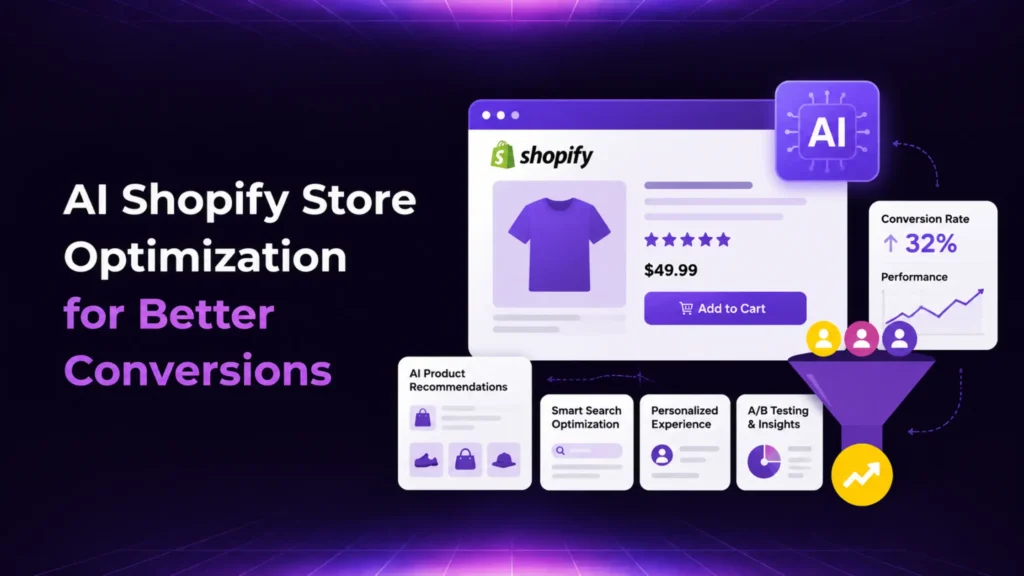
AI Shopify Store Optimization for Better Conversions
Shopify

AI Shopify Store Optimization for Better Conversions

Best Shopify Features to Turn Visitors into Customers Introduction Every online store attracts visitors, but not every visitor becomes a paying customer. The difference often lies in how your Shopify store is designed, optimized, and equipped with the right features. From a seamless checkout process to AI-powered product recommendations, the right Shopify features can significantly improve customer experience and increase conversion rates. At Ulagai, we help businesses build high-performing Shopify websites that do more than look good, they are designed to convert visitors into loyal customers. In this guide, you’ll discover the most effective Shopify features that help ecommerce businesses increase sales and achieve long-term growth. Why Shopify Features Matter for Ecommerce Success A Shopify store is more than just an online catalog. It should provide customers with a smooth, enjoyable, and trustworthy shopping experience. When visitors can quickly find products, complete purchases effortlessly, and feel confident in your brand, they are much more likely to convert. Modern shoppers expect websites to load quickly, work perfectly on mobile devices, and offer secure payment options. Businesses that invest in these features often experience higher customer satisfaction, lower cart abandonment, and increased revenue. 1. Mobile-Friendly Store Design More than half of all ecommerce purchases are made on smartphones. A mobile-responsive Shopify store ensures customers can browse products, read descriptions, and complete purchases without frustration. A well-designed mobile experience includes: Fast-loading pages Easy navigation Large product images Mobile-friendly checkout Touch-friendly buttons A responsive design improves both customer experience and search engine rankings. 2. Fast Website Performance Website speed directly impacts conversions. Even a few seconds of delay can cause visitors to leave your store before making a purchase. Shopify provides excellent hosting infrastructure, but performance can be improved further by: Optimizing images Using lightweight themes Reducing unnecessary apps Enabling browser caching Compressing website assets A faster store creates a better shopping experience while improving SEO performance. 3. One-Page Checkout Complicated checkout processes are one of the biggest reasons customers abandon their shopping carts. Shopify’s streamlined checkout allows buyers to complete purchases with fewer steps, making the buying process quick and convenient. Benefits include: Faster order completion Reduced cart abandonment Better customer satisfaction Higher conversion rates   A simple checkout often makes the difference between a completed sale and a lost customer. 4. Secure Payment Gateway Integration Trust plays a major role in online shopping. Customers expect secure payment options before entering sensitive information. Shopify supports multiple payment methods, including: Credit and Debit Cards UPI Net Banking Digital Wallets International Payment Gateways   Displaying trusted payment options helps build customer confidence and encourages purchases. 5. Abandoned Cart Recovery Not every visitor completes a purchase on their first visit. Shopify’s abandoned cart recovery feature automatically reminds customers about unfinished purchases through email notifications. Businesses can also personalize these emails by offering: Limited-time discounts Free shipping Product reminders Personalized recommendations   Recovering abandoned carts can significantly improve overall sales without attracting new visitors. 6. Product Recommendations Customers often purchase additional products when they receive relevant suggestions. Shopify allows businesses to display: Related products Frequently bought together items Best-selling products Personalized recommendations   These recommendations improve the shopping experience while increasing average order value. 7. Customer Reviews and Ratings Online shoppers trust other customers more than advertisements. Adding customer reviews helps: Build trust Increase credibility Improve product confidence Boost conversions   Authentic reviews also contribute to better search visibility by generating fresh user-generated content. 8. AI-Powered Personalization Modern ecommerce stores use artificial intelligence to create personalized shopping experiences. AI can recommend products based on: Browsing history Purchase behavior Customer interests Previous orders   Personalization keeps customers engaged and encourages repeat purchases, making it an essential feature for growing ecommerce businesses. 9. Built-In SEO Features Even the best online store needs visibility. Shopify includes several built-in SEO tools that help improve search rankings. These features include: Custom meta titles Meta descriptions Clean URLs Image alt text XML sitemap Mobile optimization   When combined with a professional SEO strategy, these features help attract more organic traffic from search engines. 10. Live Chat and Customer Support Customers often have questions before making a purchase. Live chat provides instant assistance, helping visitors make informed buying decisions. Benefits include: Faster customer support Improved customer satisfaction Reduced bounce rates Higher conversion rates   Quick responses create a positive shopping experience and strengthen customer trust. 11. Marketing and Automation Tools Successful ecommerce businesses continuously engage their customers. Shopify integrates with powerful marketing tools that support: Email campaigns SMS marketing Social media advertising Customer segmentation Automated workflows   Automation saves time while maintaining consistent customer communication throughout the buying journey. 12. Analytics and Performance Tracking Understanding customer behavior helps businesses make smarter decisions. Shopify Analytics provides valuable insights such as: Sales performance Customer behavior Traffic sources Conversion rates Best-selling products   These reports help businesses identify opportunities for improvement and optimize their marketing strategies. Best Practices for Maximizing Shopify Conversions To get the most from your Shopify store: Keep navigation simple and user-friendly. Optimize every page for mobile users. Use high-quality product images. Write detailed product descriptions. Display customer reviews prominently. Offer multiple secure payment options. Reduce unnecessary checkout steps. Monitor analytics regularly. Test different layouts and calls-to-action. Continuously improve website speed and performance.   Small improvements across your store can lead to significant increases in conversions over time. Common Mistakes to Avoid Many businesses invest in Shopify but overlook important optimization opportunities. Avoid these common mistakes: Using slow-loading themes Adding too many unnecessary apps Ignoring mobile optimization Complicated navigation Poor product descriptions Missing trust badges Limited payment options Not using abandoned cart recovery Ignoring SEO optimization Failing to analyze customer data   Addressing these issues creates a smoother shopping experience and improves customer confidence. How Ulagai Helps Businesses Build High-Converting Shopify Stores At Ulagai, we specialize in creating Shopify websites designed for growth. Our team combines modern design, conversion-focused development, SEO best practices, and AI-powered solutions to help businesses achieve measurable results. Whether you’re launching a new ecommerce store or upgrading an existing

How a Custom Shopify Website Can Increase Online Sales
Shopify

How a Custom Shopify Website Can Increase Online Sales

Best Shopify Features to Turn Visitors into Customers Introduction Every online store attracts visitors, but not every visitor becomes a paying customer. The difference often lies in how your Shopify store is designed, optimized, and equipped with the right features. From a seamless checkout process to AI-powered product recommendations, the right Shopify features can significantly improve customer experience and increase conversion rates. At Ulagai, we help businesses build high-performing Shopify websites that do more than look good, they are designed to convert visitors into loyal customers. In this guide, you’ll discover the most effective Shopify features that help ecommerce businesses increase sales and achieve long-term growth. Why Shopify Features Matter for Ecommerce Success A Shopify store is more than just an online catalog. It should provide customers with a smooth, enjoyable, and trustworthy shopping experience. When visitors can quickly find products, complete purchases effortlessly, and feel confident in your brand, they are much more likely to convert. Modern shoppers expect websites to load quickly, work perfectly on mobile devices, and offer secure payment options. Businesses that invest in these features often experience higher customer satisfaction, lower cart abandonment, and increased revenue. 1. Mobile-Friendly Store Design More than half of all ecommerce purchases are made on smartphones. A mobile-responsive Shopify store ensures customers can browse products, read descriptions, and complete purchases without frustration. A well-designed mobile experience includes: Fast-loading pages Easy navigation Large product images Mobile-friendly checkout Touch-friendly buttons A responsive design improves both customer experience and search engine rankings. 2. Fast Website Performance Website speed directly impacts conversions. Even a few seconds of delay can cause visitors to leave your store before making a purchase. Shopify provides excellent hosting infrastructure, but performance can be improved further by: Optimizing images Using lightweight themes Reducing unnecessary apps Enabling browser caching Compressing website assets A faster store creates a better shopping experience while improving SEO performance. 3. One-Page Checkout Complicated checkout processes are one of the biggest reasons customers abandon their shopping carts. Shopify’s streamlined checkout allows buyers to complete purchases with fewer steps, making the buying process quick and convenient. Benefits include: Faster order completion Reduced cart abandonment Better customer satisfaction Higher conversion rates   A simple checkout often makes the difference between a completed sale and a lost customer. 4. Secure Payment Gateway Integration Trust plays a major role in online shopping. Customers expect secure payment options before entering sensitive information. Shopify supports multiple payment methods, including: Credit and Debit Cards UPI Net Banking Digital Wallets International Payment Gateways   Displaying trusted payment options helps build customer confidence and encourages purchases. 5. Abandoned Cart Recovery Not every visitor completes a purchase on their first visit. Shopify’s abandoned cart recovery feature automatically reminds customers about unfinished purchases through email notifications. Businesses can also personalize these emails by offering: Limited-time discounts Free shipping Product reminders Personalized recommendations   Recovering abandoned carts can significantly improve overall sales without attracting new visitors. 6. Product Recommendations Customers often purchase additional products when they receive relevant suggestions. Shopify allows businesses to display: Related products Frequently bought together items Best-selling products Personalized recommendations   These recommendations improve the shopping experience while increasing average order value. 7. Customer Reviews and Ratings Online shoppers trust other customers more than advertisements. Adding customer reviews helps: Build trust Increase credibility Improve product confidence Boost conversions   Authentic reviews also contribute to better search visibility by generating fresh user-generated content. 8. AI-Powered Personalization Modern ecommerce stores use artificial intelligence to create personalized shopping experiences. AI can recommend products based on: Browsing history Purchase behavior Customer interests Previous orders   Personalization keeps customers engaged and encourages repeat purchases, making it an essential feature for growing ecommerce businesses. 9. Built-In SEO Features Even the best online store needs visibility. Shopify includes several built-in SEO tools that help improve search rankings. These features include: Custom meta titles Meta descriptions Clean URLs Image alt text XML sitemap Mobile optimization   When combined with a professional SEO strategy, these features help attract more organic traffic from search engines. 10. Live Chat and Customer Support Customers often have questions before making a purchase. Live chat provides instant assistance, helping visitors make informed buying decisions. Benefits include: Faster customer support Improved customer satisfaction Reduced bounce rates Higher conversion rates   Quick responses create a positive shopping experience and strengthen customer trust. 11. Marketing and Automation Tools Successful ecommerce businesses continuously engage their customers. Shopify integrates with powerful marketing tools that support: Email campaigns SMS marketing Social media advertising Customer segmentation Automated workflows   Automation saves time while maintaining consistent customer communication throughout the buying journey. 12. Analytics and Performance Tracking Understanding customer behavior helps businesses make smarter decisions. Shopify Analytics provides valuable insights such as: Sales performance Customer behavior Traffic sources Conversion rates Best-selling products   These reports help businesses identify opportunities for improvement and optimize their marketing strategies. Best Practices for Maximizing Shopify Conversions To get the most from your Shopify store: Keep navigation simple and user-friendly. Optimize every page for mobile users. Use high-quality product images. Write detailed product descriptions. Display customer reviews prominently. Offer multiple secure payment options. Reduce unnecessary checkout steps. Monitor analytics regularly. Test different layouts and calls-to-action. Continuously improve website speed and performance.   Small improvements across your store can lead to significant increases in conversions over time. Common Mistakes to Avoid Many businesses invest in Shopify but overlook important optimization opportunities. Avoid these common mistakes: Using slow-loading themes Adding too many unnecessary apps Ignoring mobile optimization Complicated navigation Poor product descriptions Missing trust badges Limited payment options Not using abandoned cart recovery Ignoring SEO optimization Failing to analyze customer data   Addressing these issues creates a smoother shopping experience and improves customer confidence. How Ulagai Helps Businesses Build High-Converting Shopify Stores At Ulagai, we specialize in creating Shopify websites designed for growth. Our team combines modern design, conversion-focused development, SEO best practices, and AI-powered solutions to help businesses achieve measurable results. Whether you’re launching a new ecommerce store or upgrading an existing

Why Shopify Is the Best Platform for Growing Ecommerce Brands
Shopify

Why Shopify Is the Best Platform for Growing Ecommerce Brands

Why Shopify Is the Best Platform for Growing Ecommerce Brands Introduction The ecommerce industry is growing faster than ever. Customers expect online stores to load quickly, offer secure payments, provide a smooth shopping experience, and work perfectly on every device. Businesses need a platform that can keep up with these expectations while supporting future growth.   This is where Shopify for Ecommerce Brands stands out. Shopify has become one of the world’s leading ecommerce platforms because it makes it easy for businesses to build, manage, and scale their online stores. From startups to global brands, millions of businesses trust Shopify to sell their products online.   At Ulagai, we help businesses create high-performing Shopify stores that improve customer experience, increase conversions, and support sustainable business growth. This article explains why Shopify is the preferred choice for growing ecommerce brands and how it can help your business succeed. What Is Shopify? Shopify is a cloud-based ecommerce platform that allows businesses to create, manage, and grow an online store without requiring advanced technical knowledge. It provides everything needed to run an ecommerce business, including: Website development Product management Secure payment processing Inventory management Shipping integrations Marketing tools Analytics and reporting Mobile-friendly store management Since Shopify is hosted in the cloud, businesses do not need to worry about server maintenance, software updates, or security patches. Why Growing Ecommerce Brands Choose Shopify Easy to Launch and Manage Shopify is designed for business owners rather than developers. Its user-friendly dashboard makes it simple to manage products, orders, customers, and promotions. Even businesses with limited technical experience can confidently manage their online store. Highly Scalable Platform As your business grows, Shopify grows with you. Whether you have 50 products or 50,000 products, Shopify offers the performance and flexibility needed to handle increasing traffic, orders, and customers without affecting website speed. Secure Ecommerce Platform Security is essential for every ecommerce business. Shopify includes: SSL certificates PCI DSS compliance Secure payment processing Fraud analysis Automatic security updates This helps businesses build customer trust while protecting sensitive information. Excellent Mobile Shopping Experience Today, most online purchases happen on smartphones. Shopify themes are fully responsive, ensuring your store delivers a smooth shopping experience across desktops, tablets, and mobile devices. A mobile-friendly Shopify website also supports better search engine rankings. Key Benefits of Shopify for Ecommerce Brands Some of the biggest advantages include: Fast website loading speed Secure payment gateway integration Easy inventory management Multiple shipping options Built-in SEO features Multi-channel selling Easy product management AI-powered business tools Reliable hosting Excellent customer support These features allow businesses to focus on selling rather than managing technical issues. Powerful Features That Drive Business Growth Shopify SEO Optimization A beautiful store is only useful if customers can find it. Shopify includes built-in SEO features such as: Custom meta titles Meta descriptions Clean URLs XML sitemap Mobile optimization Fast loading pages When combined with professional SEO services, these features help improve search visibility and attract more qualified visitors. Shopify App Integrations Every business has different requirements. The Shopify App Store offers thousands of applications for: Email marketing Customer reviews Live chat CRM integration Inventory automation Marketing automation Analytics Loyalty programs These integrations allow businesses to customize their store without rebuilding the website. AI-Powered Ecommerce Modern ecommerce depends on intelligent automation. Shopify supports AI-powered solutions that help businesses: Recommend products Personalize customer experiences Automate customer support Improve inventory forecasting Increase conversion rates AI-driven ecommerce helps brands make smarter business decisions while improving customer satisfaction. How Shopify Supports Long-Term Business Growth Growing ecommerce brands require more than just a website. They need a platform that supports: Business expansion Higher website traffic Multiple sales channels International selling Customer retention Marketing automation Better reporting Shopify provides all these capabilities in a single ecosystem, making it easier to scale operations without changing platforms. Real-World Business Example Imagine a fashion retailer that starts with a small online store selling handmade clothing. As customer demand grows, the business wants to: Sell through Instagram Launch Google Shopping campaigns Accept international payments Add customer loyalty programs Improve website speed Expand product categories Instead of rebuilding the website, Shopify allows the business to add these capabilities using built-in features and trusted apps. This flexibility saves both time and development costs. Best Practices for Shopify Success To get the best results from Shopify: Choose a professionally designed theme. Optimize product pages for SEO. Compress images for faster loading. Use high-quality product photography. Enable secure payment methods. Install only essential apps. Monitor website analytics regularly. Improve checkout experience. Keep product information updated. Invest in ongoing SEO optimization. These practices improve user experience while increasing sales opportunities. Common Mistakes to Avoid Many businesses fail to achieve their ecommerce goals because they make avoidable mistakes. Some common issues include: Choosing an outdated theme Ignoring mobile optimization Using poor-quality product images Installing too many unnecessary apps Neglecting SEO Slow website speed Complicated checkout process Lack of performance monitoring Avoiding these mistakes helps create a better shopping experience and improves conversion rates. Why Choose Ulagai for Shopify Development? Building a successful Shopify store requires more than selecting a theme. At Ulagai, we help businesses create conversion-focused ecommerce websites that combine design, performance, SEO, and scalability. Our services include: Shopify Development Custom Shopify Website Development Shopify Store Development Ecommerce Website Development Shopify Migration Services Shopify SEO Optimization Website Speed Optimization API Integrations AI Shopify Solutions Ongoing Website Maintenance Our goal is to create Shopify stores that are easy to manage, fast to load, and built for long-term business growth. Key Takeaways Shopify is one of the best ecommerce platforms for growing businesses. It offers excellent scalability, security, and performance. Built-in SEO features help improve online visibility. AI-powered tools support better customer experiences. Multi-channel selling increases sales opportunities. Mobile-friendly design improves user engagement. Shopify integrates with thousands of business applications. Professional Shopify development helps maximize business growth. Conclusion Choosing the right ecommerce platform is one of the most important decisions for any online business. Shopify for Ecommerce Brands provides the flexibility, security,

Scroll to Top